


Translating physical casino gaming into immediate digital feedback requires an intricate blend of computer vision and hardware integration, and you can examine a technical overview via this . For a related practical reference, sweet bonanza can complement these steps. Live casino broadcasts depend on specialized hardware and software working in tandem to capture every subtle movement on the felt. When a croupier deals a card or spins a roulette wheel, high-definition cameras film the action from multiple angles. This video feed is fed directly into backend processing servers before it ever reaches a player’s monitor. The core purpose of optical character recognition in this context is to intercept that visual stream and translate physical symbols, numbers, and card indices into machine-readable text.
The translation process begins immediately as the video frames hit the processing unit. Software algorithms isolate specific regions of the table where cards or tokens are placed. These regions are cropped from the broader video stream and subjected to contrast enhancement. Because casino studio lighting must remain natural for human participants, reflections and shadows frequently occur. The character recognition pipeline must filter out these visual anomalies, normalizing the lighting across each extracted image snippet before attempting any pattern matching.
Once the region is isolated and cleaned, shape analysis routines examine the pixel arrays. In a standard card game, each card features a distinct pip and index in the corner. Optical character recognition engines compare these geometric forms against predefined font templates and vector outlines stored in the local memory. By analyzing contours, loops, and line intersections, the software identifies whether a card is an ace of spades or a ten of hearts. This identification happens in milliseconds, ensuring that the digital overlay matches the physical reality on the table almost instantly.
Roulette wheels present a different set of visual challenges for optical character recognition systems. Instead of reading flat characters printed on paper, the software tracks a moving white sphere relative to numbered pockets on a rotating wooden basin. The recognition system maps the wheel’s rotation speed and the ball’s deceleration curve, utilizing pattern recognition to confirm which specific compartment the ball ultimately rests in. The integration of optical tracking with traditional character parsing allows the software to handle both alphanumeric data and positional coordinates within a unified processing framework.
Beyond simple identification, error-checking protocols run continuously alongside the recognition engine to maintain absolute reliability. If a dealer’s hand partially obscures a card index during the draw, the recognition software flags the ambiguity rather than guessing incorrectly. Secondary heuristics, such as tracking the deck’s known composition and remaining shoe contents, help verify whether the parsed result makes logical sense within the rules of the specific game variant being played.
| Area | What to know |
|---|---|
| Context | The translation process begins immediately as the video frames hit the processing unit. |
| Consideration | Once the region is isolated and cleaned, shape analysis routines examine the pixel arrays. |
| Practical takeaway | Roulette wheels present a different set of visual challenges for optical character recognition systems. |
Looking ahead, the evolution of optical character recognition in live streaming environments points toward even greater efficiency and reduced latency. Hardware accelerators embedded in processing servers will continue to handle higher frame rates and higher resolutions without straining network bandwidth. These steady engineering refinements ensure that the invisible translation layer between physical casino floors and digital displays remains robust, accurate, and entirely transparent to the end user.


Sobre Marcus Marcelo Representações WEG
Fornecer soluções elétricas, de automação, energia e infraestrutura para indústrias, comércios e consumidores, com conhecimento técnico.

Clique no logo e saiba mais
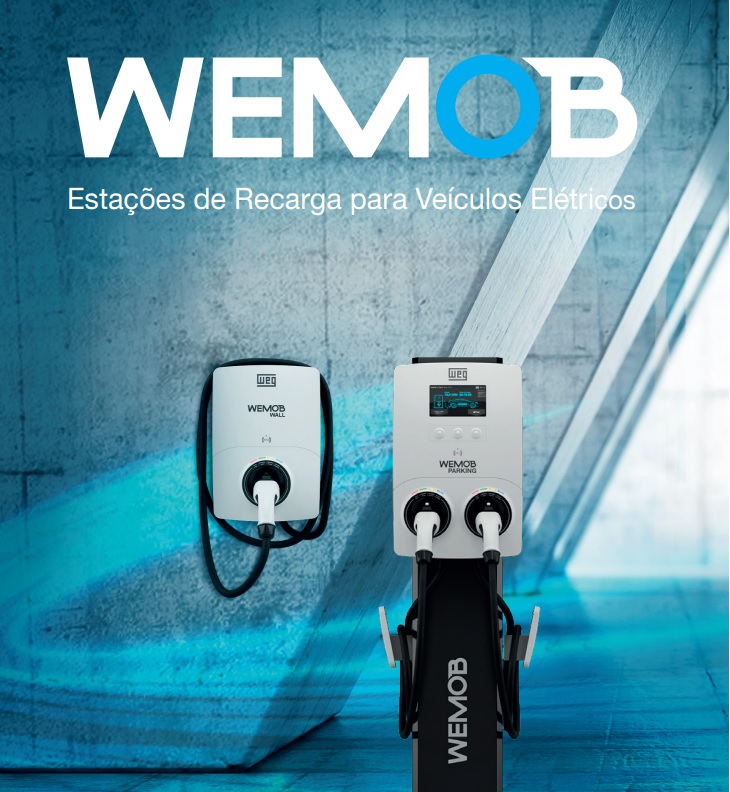
Estações de Recarga
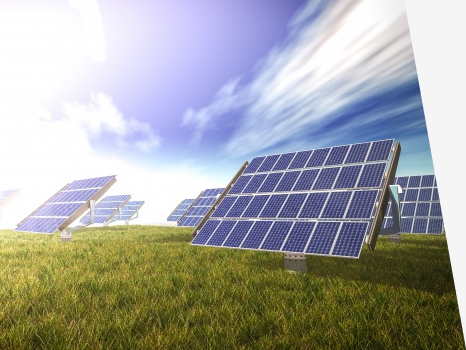
Energia Solar WEG

Integrador WE³
Deixe um comentário