


When you step into a casino or log onto a betting site, the spin of the roulette wheel can feel like a shared experience. For another perspective on the money side of the topic, casino en ligne fiable france may be useful. Live roulette brings that feeling to the screen, with a real dealer, a real wheel, and a real ball that you can see tumbling through the glass. In contrast, RNG casino roulette relies on software algorithms to generate outcomes in milliseconds. If you’re curious about how these two modes compare, you can start by exploring , which offers a side‑by‑side comparison of the mechanics behind each.
Live roulette is performed on a casino floor where a human dealer spins the wheel and throws the ball. The dealer’s actions are captured by high‑definition cameras and streamed to players worldwide, giving the impression of being in the casino’s bustling environment. The casino’s physical wheel has a fixed number of pockets, and the ball’s trajectory can be influenced by subtle factors such as the wheel’s speed, the ball’s initial velocity, and even the dealer’s technique. Because these variables exist, players can sometimes feel a degree of agency, watching the ball’s path unfold in real time.
RNG casino roulette, on the other hand, is a purely digital simulation. The casino’s software uses a random number generator that follows strict statistical guidelines to decide the ball’s landing spot. Each spin is independent, and the casino guarantees that the probability distribution matches the theoretical odds of a physical wheel. In a casino environment where fairness and compliance are monitored, the RNG ensures consistent house edges across all machines, eliminating the human element that can occasionally introduce bias or error.
One of the most noticeable differences is transparency. Live roulette offers visual proof of the ball’s motion, but the outcome still depends on the dealer’s spin and the wheel’s mechanics. RNG roulette provides a level of statistical certainty; the numbers are generated behind the scenes, but the system is audited to confirm that no single spin is manipulated. Timing also diverges: live roulette requires a pause between spins to reset the wheel, whereas RNG spins can be executed in fractions of a second, allowing for faster betting rounds and a more fluid experience.
For players, these distinctions affect strategy and psychology. In live roulette, the visual cues can help bettors identify patterns or “hot” pockets, though such patterns are often illusory. The slower pace also means that a single bet can feel more consequential, fostering a more deliberate approach. RNG roulette’s rapid turnover can lead to a more frenetic betting rhythm, which some find exhilarating but others may find overwhelming. Understanding the casino’s payout structure and house edge in each format helps players decide which style aligns with their risk tolerance.
Practical takeaways include checking the casino’s licensing and audit reports before placing a wager, especially if you prefer the confidence that comes with RNG verification. If you enjoy the atmosphere of a casino floor and appreciate the human element, live roulette offers a more immersive feel. Conversely, if you value speed, consistency, and statistical assurance, RNG casino roulette may be the better choice. Ultimately, both forms deliver the same core excitement of roulette, but the differences in mechanics, transparency, and pacing shape the overall experience and influence how you play.


Sobre Marcus Marcelo Representações WEG
Fornecer soluções elétricas, de automação, energia e infraestrutura para indústrias, comércios e consumidores, com conhecimento técnico.

Clique no logo e saiba mais
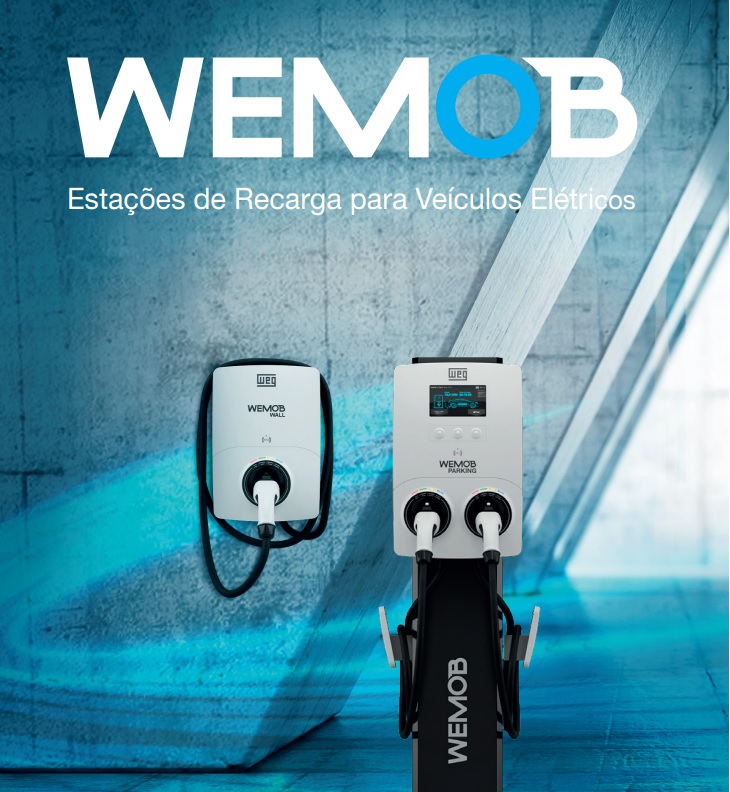
Estações de Recarga

Energia Solar WEG

Integrador WE³

Deixe um comentário